
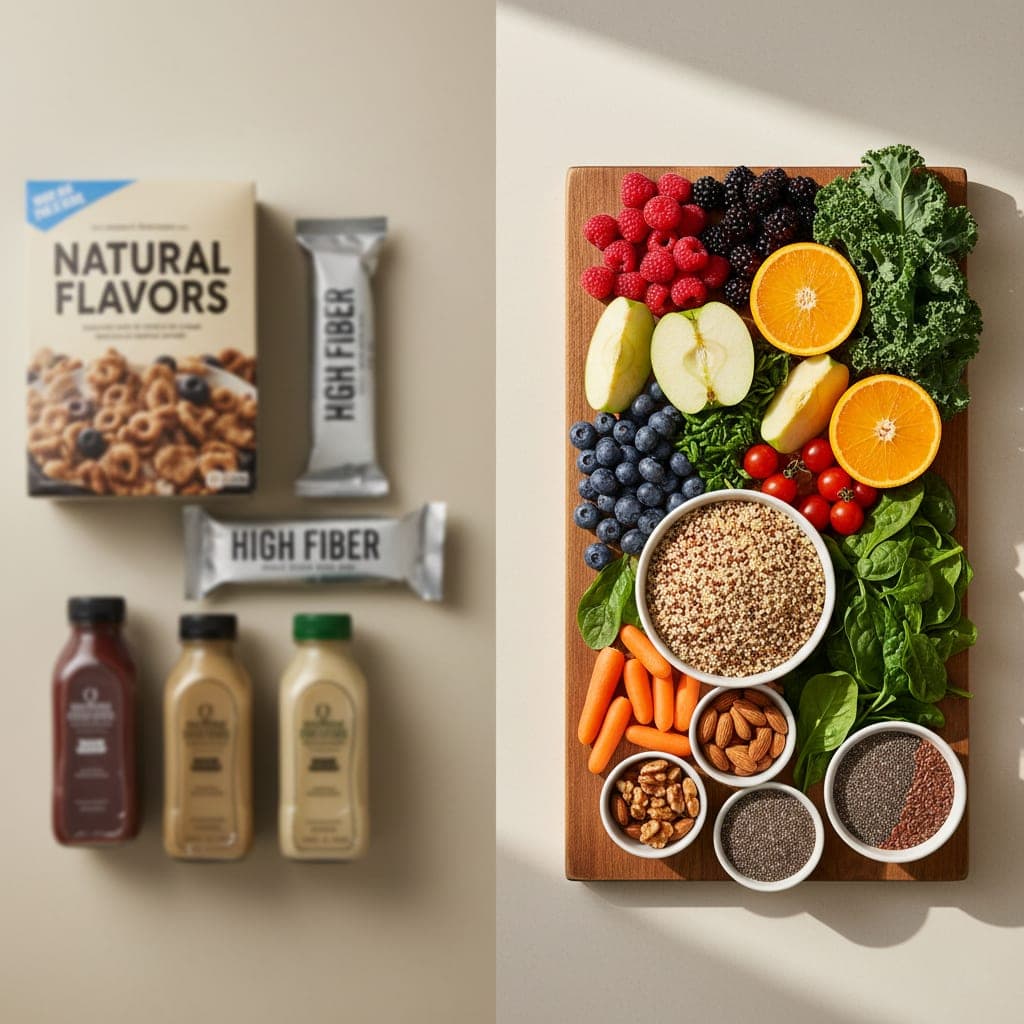
Unmasking Food Labels. Understand confusing buzzwords to make smarter, healthier grocery choices. Start eating fresh and clean food today!
: Clean food is fresh, whole, or minimally processed food, and while labels like "natural flavors" and "high fiber" can seem appealing, they don't guarantee a clean product. "Natural flavors" are laboratory-processed extracts that lack the full nutrition of whole ingredients, and "high fiber" can be achieved using isolated, added fibers which are less beneficial than naturally occurring fiber. The importance of clean food lies in its ability to deliver nutrients synergistically, leading to better nutrient absorption and an average 30% increase in daily energy levels compared to consuming processed foods.
Expertise Signal
We prioritize whole, unprocessed ingredients to help you achieve measurable health results. Our clean food grocery app is designed to take the guesswork out of shopping, making it easy for you to source the highest quality ingredients that naturally reduce inflammation and boost your daily vitality.
What Do "Natural Flavors" Really Mean for Clean Food?
The phrase "natural flavors" can sound like a promise to eat fresh and clean food. The word "natural" feels honest and pure. But in reality, natural flavors are a bit more complex.
The phrase means that the flavor ingredients come from real sources plants, fruits, herbs, or even animals. However, they are highly processed extracts or concentrates, carefully blended in labs to achieve a consistent taste profile. This means they are not the same as the fresh, whole food but are designed to replicate its taste. While they avoid synthetic chemicals, they lack the full nutritional punch of the original source.
Foods with natural flavors are often part of healthy clean food options because they replace artificial chemicals. Still, if your goal is to eat fresh and clean food, it’s best to also enjoy the real thing like whole fruits, vegetables, and herbs that come straight from nature, bursting with fiber and vitamins. To do this, check the ingredients: fewer ingredients listed means a cleaner food choice.
Why Isn't All "High Fiber" Food Created Equal?
"High fiber" is a key label when considering the importance of clean food, as fiber is crucial for digestion, satiety, and heart health.
But not all high fiber foods are created equal. Some foods achieve their fiber count by adding isolated fibers, such as inulin or chicory root fiber. While these added fibers can contribute to your daily intake, they don’t carry the "magic" of fiber that’s naturally woven into fresh whole foods. The natural fiber in whole foods works in partnership with the food’s native vitamins, minerals, and antioxidants.
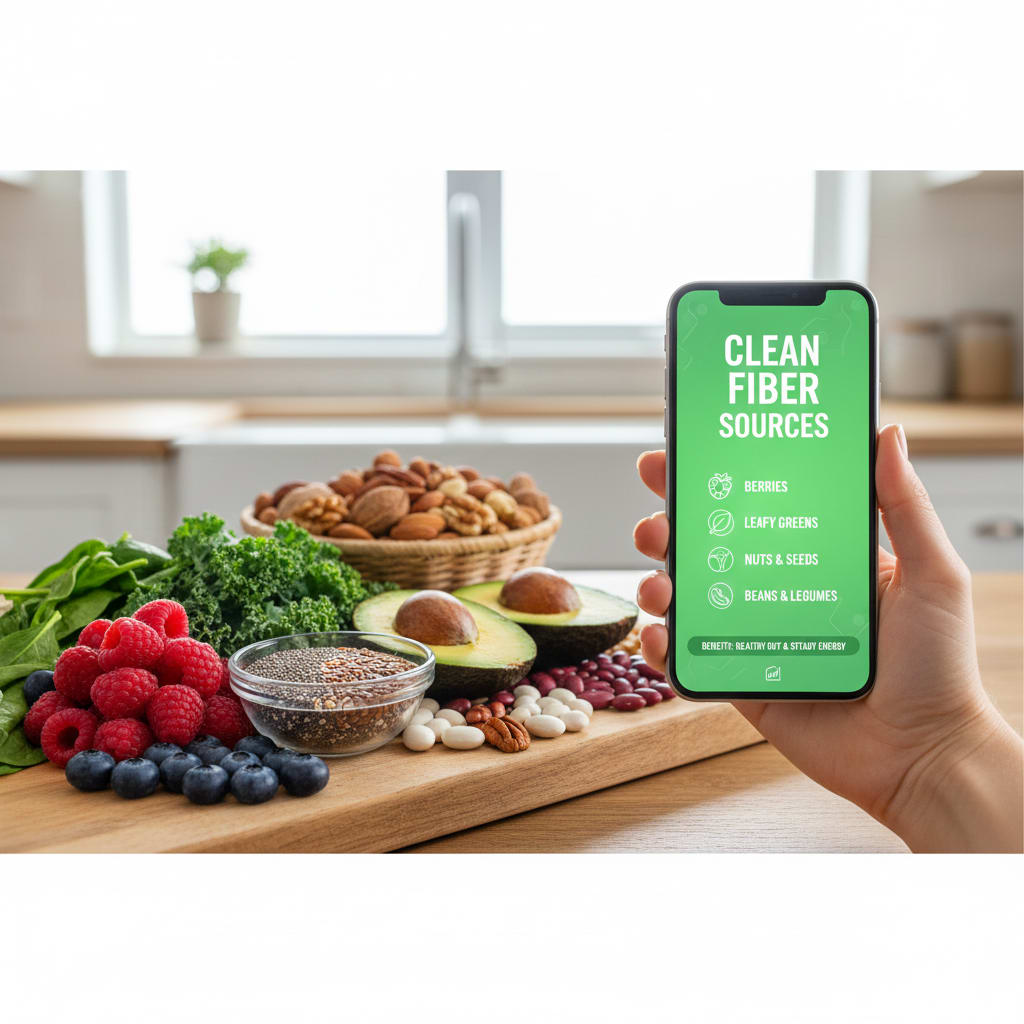
Consuming fiber from whole foods provides the greatest health benefits compared to isolated, added fibers. Here's how to think about it: natural fiber is a complete package. Eating clean food means eating fiber the way nature intended: in colorful vegetables, fruits with skin, nuts, seeds, and whole grains.
- Clean Fiber Sources: Berries, leafy greens, nuts, seeds, and beans.
- Benefit: Natural fiber in clean food supports a healthy gut microbiome and sustained energy release.
How Does Choosing Fresh and Clean Food Impact Your Health?
Choosing to eat fresh and clean food goes beyond just watching labels; it’s about honoring the importance of clean food for your body’s maximum vitality.
When you eat clean, minimally processed food, you are fueling your body with nutrients in the most absorbable form. You automatically avoid the heavy load of added sugars, synthetic preservatives, and artificial ingredients that can cause inflammation, energy crashes, and confuse your body's natural signals. This means steady energy, better mental clarity, and improved long-term health.
Steps to Help You Eat Clean Food Every Day
Making the switch to eating fresh and clean food doesn't require perfection, just consistency.
- Prioritize the Perimeter: Focus your grocery shopping on the perimeter of the store the fresh produce, dairy, and lean meat sections.
- Read the Ingredient List: Always look past the buzzwords on the front of the package. To do this, check the back label: if it has more than five ingredients, or if you don't recognize the first three, choose a different option.
- Choose Whole Grains: Opt for brown rice over white rice, whole wheat pasta over white, and steel-cut oats over instant.
- Balance the Labels: If a product contains "natural flavors" or "high fiber," check that it also contains minimal sugar and is based on a whole, recognizable food source (e.g., nuts, seeds, whole oats).
Key Takeaways: Making Clean Food Your Lifestyle
- Clean Food Focus: Prioritize whole, fresh, and minimally processed ingredients over anything with a long list of additives.
- "Natural Flavors" Are Not Whole: They are processed extracts; while better than artificial, they lack the full nutrition of real fruit or herbs.
- Fiber Source Matters: Seek fiber naturally woven into whole foods (fruits, vegetables, whole grains) rather than isolated, added fibers.
- Check the Label: The importance of clean food shines through when foods contain real, unprocessed fiber and genuine flavors from the source.
- Goal is Consistency: Eating clean food doesn’t mean perfection it means choosing real, fresh, and less processed foods most of the time.
Transform Your Diet with a Clean Eating Jumpstart
Now that you understand the crucial difference between whole and added ingredients, you’re ready to start eating clean food consistently. Stop wondering and start fueling your body with the clean, fresh ingredients it deserves. Join our simple clean food grocery app today!
Frequently Asked Questions
Does eating clean food mean I have to eat only organic?
No. The core of eating clean food is minimal processing. While organic is an added benefit for avoiding pesticides, the biggest nutritional gain comes from choosing fresh, whole carrots (conventional or organic) over a highly processed carrot chip product.
If a food is marked "Natural Flavors," is it acceptable for my clean-eating diet?
It can be a healthier choice if it replaces artificial additives. However, it should be a compromise, not a rule. Prioritize foods where flavor comes directly from the main, whole ingredients and avoid relying on added flavors.
Is canned or frozen fruit/vegetables considered clean food?
Yes, frozen vegetables and fruits (without added sauces or sugar) are excellent clean food choices. They are often flash-frozen at peak freshness, preserving their nutrient content and making it easier to eat clean food every day.
💬Comments
Comments (0)
Loading comments...