
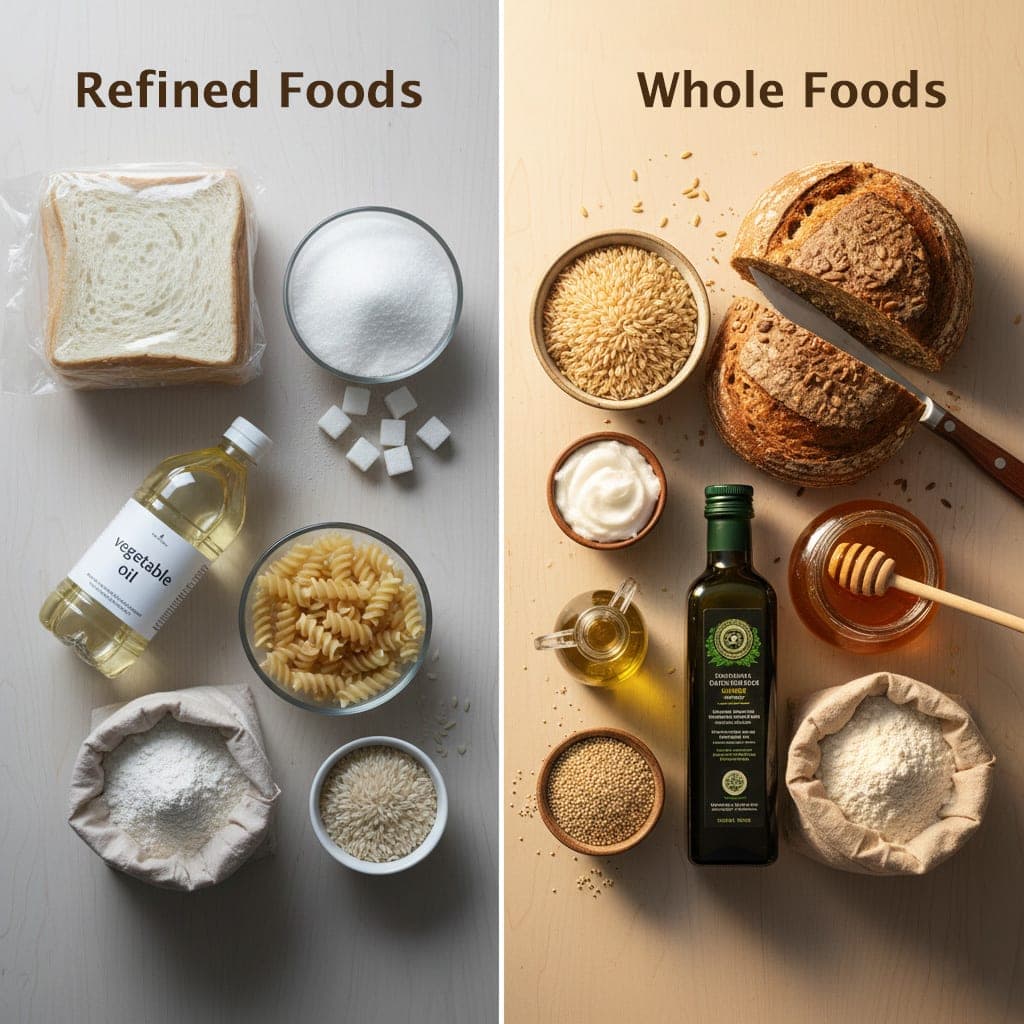
Discover what "refined" truly means for your health and why those foods are stripped of nutrition. Stop guessing at the grocery store and learn the facts now!
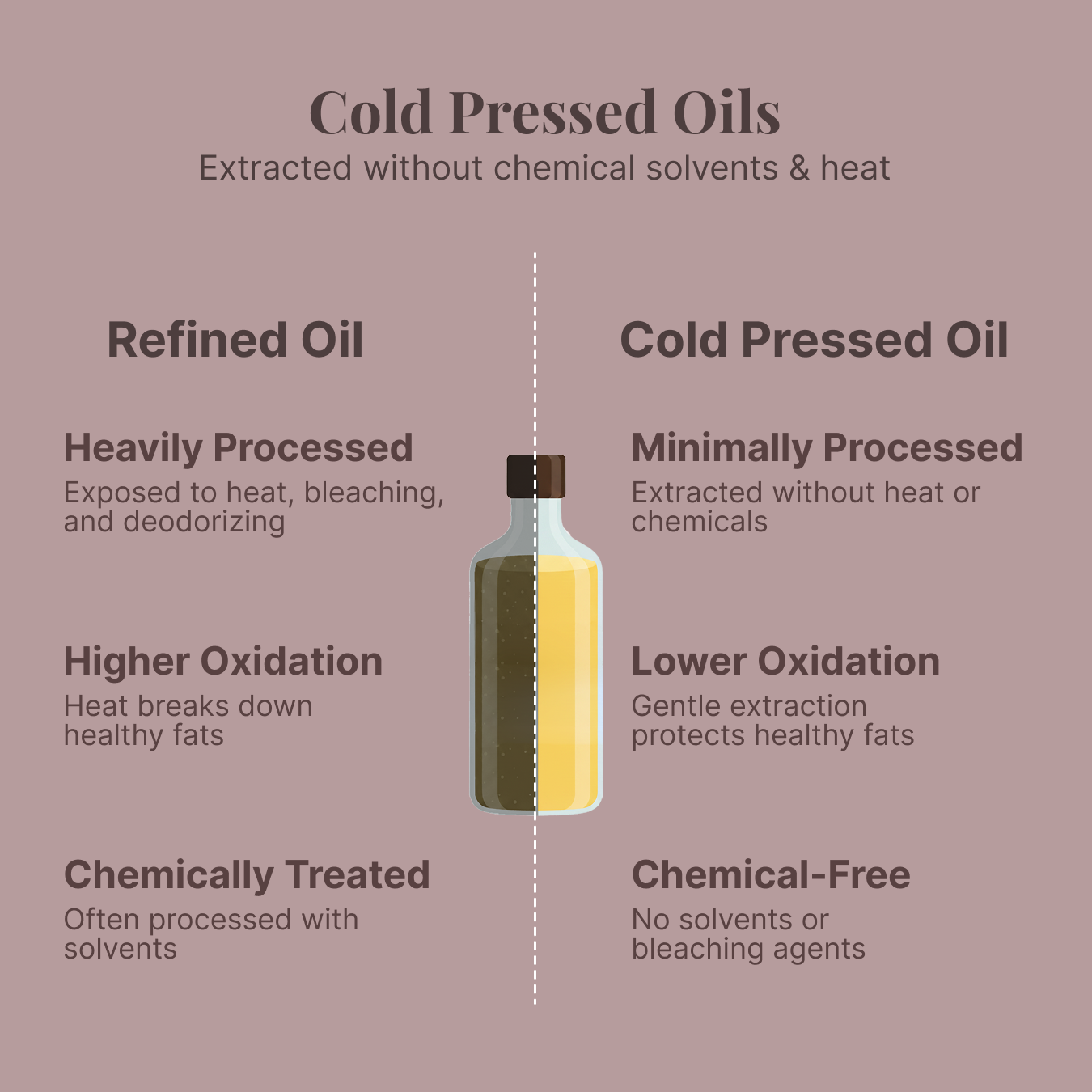
The term "refined" on a food label can feel like confusing jargon, yet it holds a vital clue about the quality of the food you are buying. It's not a seal of quality; it's a technical description of an industrial process.
You might think of a "refined" person as elegant and polished.
However, when applied to food, that same polishing process means that a significant, valuable part of the original ingredient has been stripped away. This is done for appearance, texture, and extending shelf life, often at the direct expense of nutrition. This means you are frequently paying for a product that is literally hollowed out of its natural goodness.
What Does "Refined" Actually Mean for Food?
Refining is a process of intensive processing where natural components, usually the outer layers of a grain or vegetable, are removed.
Imagine a grain of wheat. In its original form, it has three main parts: the bran (the fiber-rich outer layer), the germ (the nutrient-rich core containing B vitamins and healthy fats), and the endosperm (mostly starch).
Refining is when the bran and germ are stripped away, leaving only the soft, smooth endosperm. While this makes for fluffy white bread and quick-cooking products, it’s a story of loss.
Expert Insight: Based on our work with thousands of clients, the single biggest improvement we see in overall wellness comes from simply swapping refined grains for whole grains. It’s an immediate upgrade to fiber and B vitamin intake that stabilizes blood sugar.
The story is identical for sugar.
It starts as sugarcane or sugar beets, which naturally contain fiber and trace minerals. Once refined, all of those elements are removed, resulting in pure sucrose sweetness with virtually zero nutritional value.
To do this, manufacturers employ processes like heavy milling, filtering, and chemical treatments.
What Essential Nutrients Are Removed During Refining?
When food is refined, it is not just one thing that is lost, but a package of essential components that work together in your body.
The primary loss in refined grains is fiber.
Fiber is crucial for digestive health, blood sugar control, and keeping you feeling full. According to Harvard Health, the removal of fiber means refined products are digested quickly, which can lead to rapid spikes in blood glucose levels.
You also lose vital B vitamins (like Thiamine, Riboflavin, Niacin, and Folate), iron, and healthy fats (like those found in the germ of a grain).
- Vitamins: B Vitamins are essential for energy production and nerve function.
- Minerals: Iron and Magnesium, critical for blood health and muscle function.
- Fiber: Key for gut health and feeling satiated.
Common Mistake: Many people think "enriched" means the food is fixed. While some vitamins are added back (like iron and some B vitamins), it is a small fraction of the original nutritional profile. The crucial fiber and other hundreds of trace phytonutrients are never returned.
How Does Refined Food Affect My Energy and Health?
The immediate result of eating refined foods is a swift and dramatic impact on your blood sugar.
Without the fiber to slow digestion, refined products like white rice, white bread, and many packaged snacks cause a rapid surge in glucose.
This demands a large release of insulin, which quickly lowers your blood sugar, often leading to a "crash." You may feel tired, irritable, and, critically, hungry again shortly after eating.
Here’s how this translates to your daily life: the cycle of feeling hungry soon after a meal makes it extremely difficult to maintain a healthy weight.
Choosing whole or less-refined options, like steel-cut oats, brown rice, and cold-pressed oils, keeps you full longer, stabilizes your energy, and provides necessary fuel for the beneficial bacteria in your gut.
This means your body can operate on a steady fuel source instead of a series of quick, inefficient sugar bursts.
Examples of Refined vs. Unrefined Foods
| Category | Refined Example | Unrefined Example | Key Loss in Refining |
|---|---|---|---|
| Grains | White Bread, White Pasta | Whole Wheat Bread, Brown Rice | Fiber, B Vitamins, Magnesium |
| Sweeteners | White Granulated Sugar | Honey, Maple Syrup (in moderation) | Minerals, Trace Antioxidants |
| Oils | Standard Vegetable Oil, Canola Oil | Extra Virgin Olive Oil, Avocado Oil | Flavor, Plant Compounds (Polyphenols) |
Steps to identify less-refined foods:
- Check the Ingredients: Look for the word "whole" (e.g., "whole wheat flour," "whole oats").
- Look for Fiber: Check the Nutrition Facts. A good source of fiber has 3g or more per serving.
- Opt for Color: Brown, beige, or darker colors often indicate the presence of the whole grain or husk.
Key Takeaways:Choosing Unrefined for a Healthier Diet
- Refining equals Loss: The term "refined" means the food has been stripped of its natural fiber, vitamins, and minerals for better texture and longer shelf life.
- Nutrient Loss is Significant: When whole wheat is refined, major portions of B vitamins and essential fiber are removed, which are rarely fully replaced.
- Blood Sugar Impact: Refined foods are rapidly digested, leading to quick spikes and crashes in blood sugar and energy, often causing you to feel hungry sooner.
- Check the Label: Prioritize foods where the first ingredient lists the word "whole" (e.g., "whole grain oats" or "whole wheat").
- Unrefined Fuels Better: Choosing unrefined foods ensures you get a complete package of nutrients that supports steady energy, better digestion, and satiety.
Ready to Transform Your Grocery Shopping?
Now that you understand the crucial difference between refined and unrefined foods, take the next step to fueling your body better. We offer a clean food grocery list based only on whole, unrefined ingredients. Stop reading every tiny label and start eating cleaner, easier. Join our simple clean food grocery app today!
Frequently Asked Questions
If a product says 'enriched,' does that mean it's as good as a whole food?
No. Enriched means only a few specific vitamins and iron were added back after processing. The vital components like fiber, phytochemicals, and many trace minerals that were lost are not replaced, making it nutritionally inferior to its whole-food counterpart.
Is "refined" oil always unhealthy?
Not always unhealthy, but less nutritious. Refined oils (like standard vegetable or canola) are heat- and chemically-treated to be flavorless and have a high smoke point, but they lose valuable antioxidants and healthy compounds that are preserved in less-refined, cold-pressed oils like Extra Virgin Olive Oil.
Is brown sugar less refined than white sugar?
Most brown sugar is simply white refined sugar with molasses added back to it. It is still a refined product. For true unrefined sweetness, look for small amounts of honey, maple syrup, or fruit purees.
💬Comments
Comments (0)
Loading comments...